How Nonprofits Can Collaborate with Real Estate Developers for Community Growth


Understanding the Power of Collaboration
In today's rapidly evolving world, collaboration has become a cornerstone for driving community growth and development. For nonprofits and real estate developers, working together can yield significant benefits, both in terms of social impact and economic growth. By leveraging each other's strengths, these partnerships can foster sustainable communities that cater to the diverse needs of residents.
Nonprofits often focus on addressing social challenges, such as affordable housing, education, and healthcare. Real estate developers, on the other hand, possess the technical expertise and resources necessary to bring large-scale projects to fruition. Together, they can create innovative solutions that address community needs effectively.
Identifying Common Goals
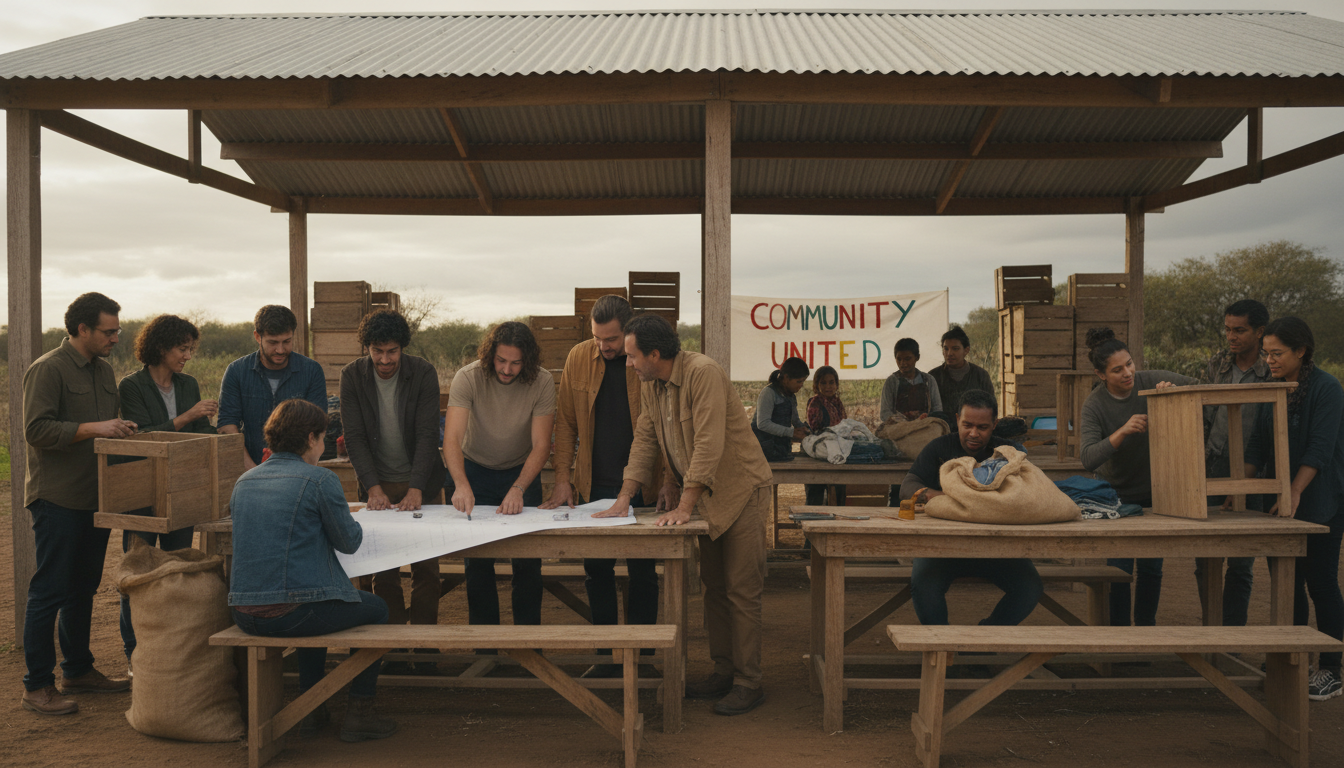
The first step in forming a successful partnership is to identify common goals. Nonprofits and developers should engage in open dialogues to understand each other's objectives. For instance, a nonprofit may aim to increase affordable housing, while a developer seeks to enhance property value through community amenities. By aligning these goals, both parties can work towards mutual success.
It's essential to involve community members in these discussions. Their insights can guide the partnership to ensure projects are tailored to the needs and aspirations of the residents. This inclusive approach not only builds trust but also enhances project sustainability.
Leveraging Resources and Expertise
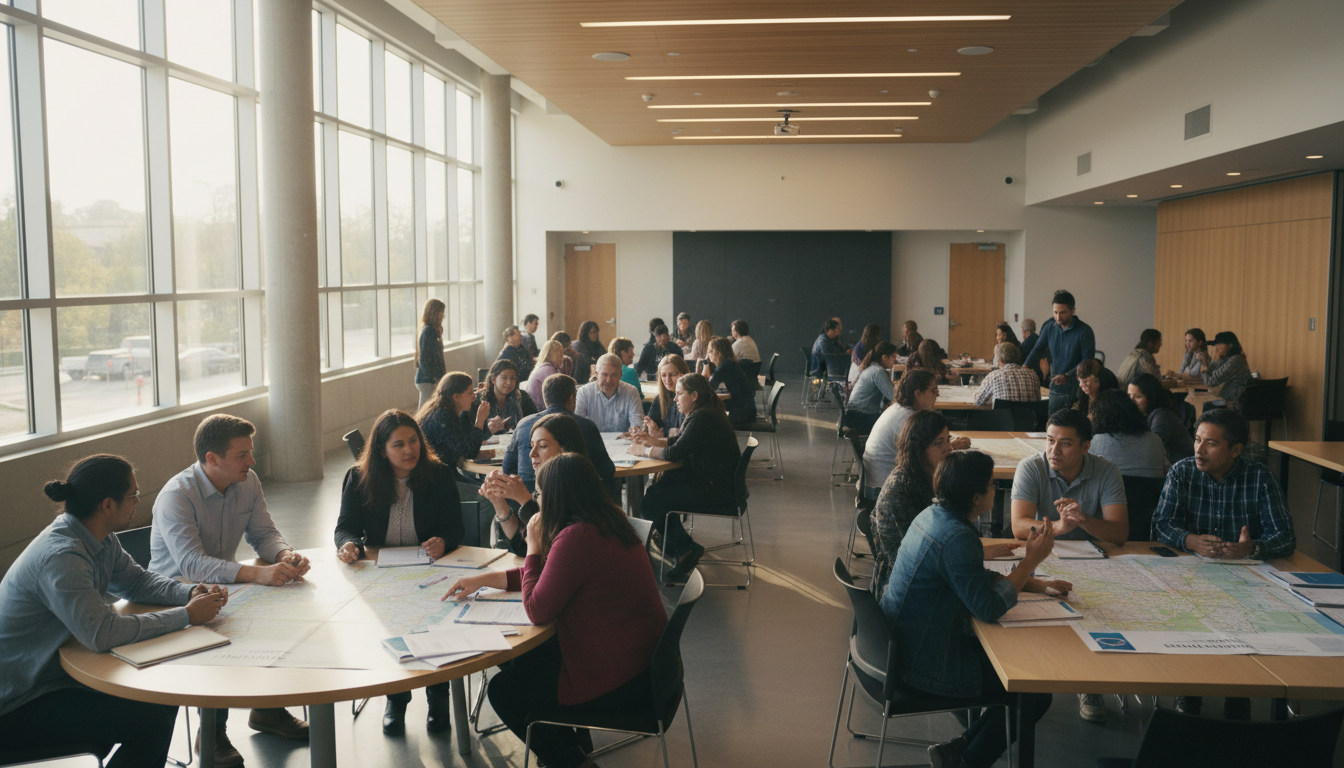
Collaboration enables nonprofits and developers to leverage each other's resources and expertise. Nonprofits bring valuable insights into community needs and access to funding opportunities, while developers contribute technical skills and experience in project management.
By pooling resources, these partnerships can access a wider range of funding sources, including grants, donations, and investment from financial institutions. This financial synergy can lead to more ambitious projects with greater impact.
Creating Comprehensive Development Plans
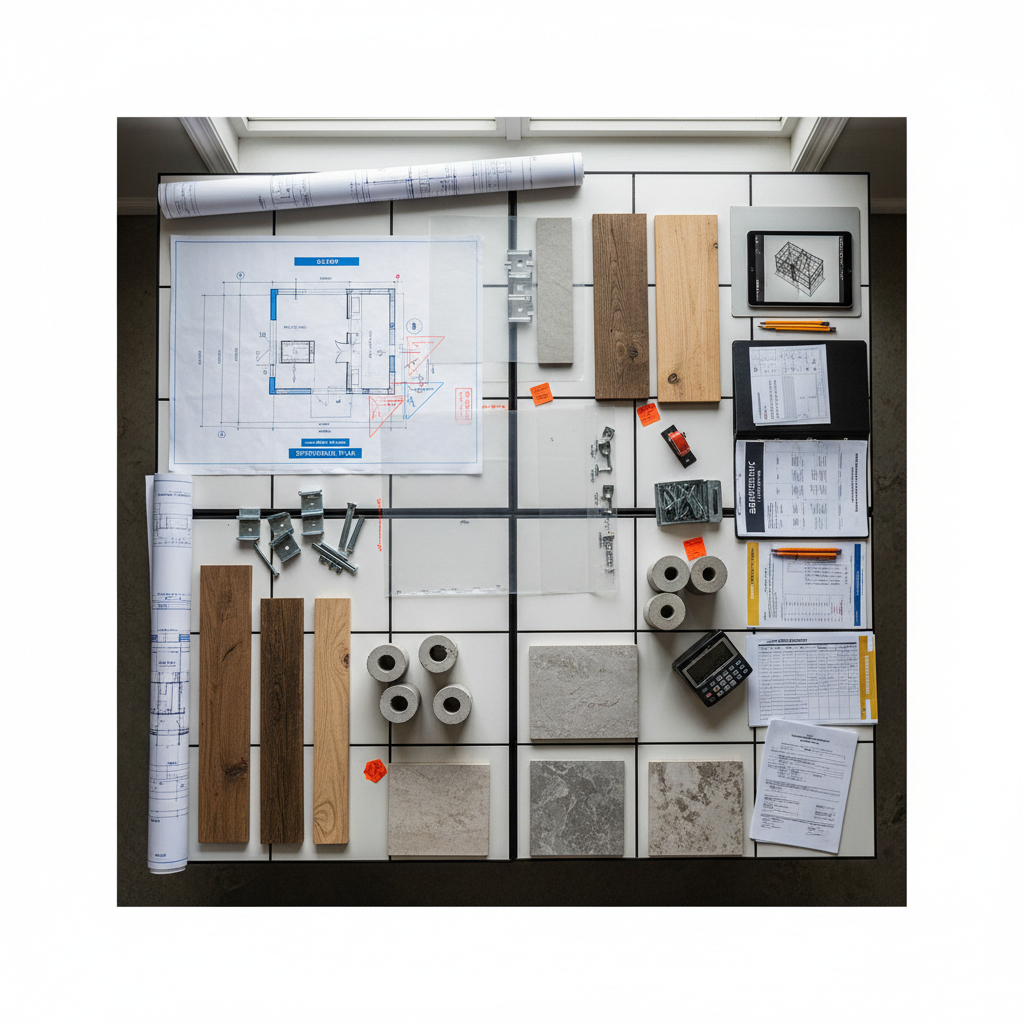
Once aligned on goals and resources, nonprofits and developers can work together to create comprehensive development plans. These plans should outline the project's scope, budget, timeline, and expected outcomes. Clear communication and defined roles are crucial to ensure smooth implementation.
- Define project objectives and scope.
- Establish roles and responsibilities.
- Develop a timeline and budget.
- Set measurable outcomes and evaluation methods.
Engaging the Community
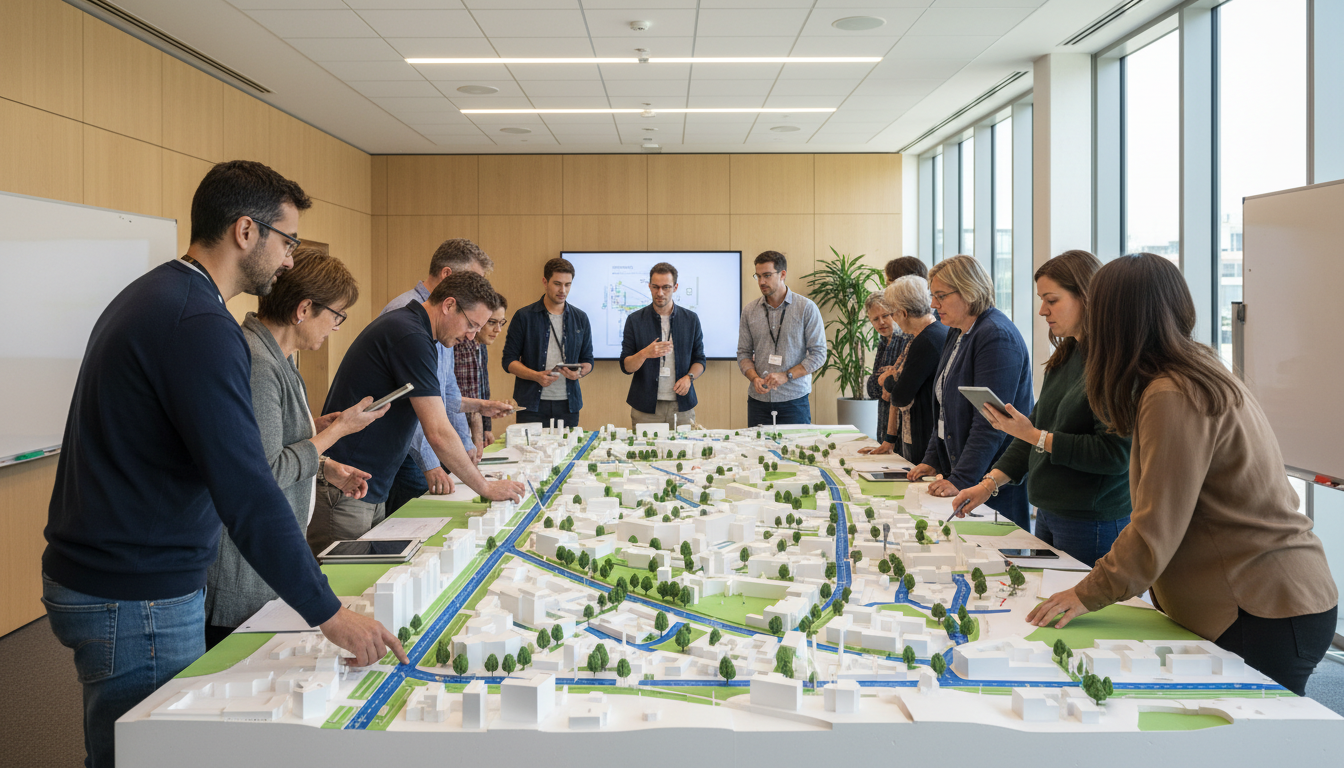
Community engagement is vital for the success of any development project. Nonprofits and developers should work together to engage residents through workshops, surveys, and public meetings. This involvement allows for feedback and ensures the project aligns with community values and needs.
By fostering a sense of ownership among residents, these partnerships can enhance community pride and support for the project. Additionally, involving local businesses and stakeholders can lead to long-term economic benefits and job creation.
Monitoring and Evaluating Impact
Finally, it's important to establish mechanisms for monitoring and evaluating the project's impact. Nonprofits and developers should track progress against defined goals and make adjustments as needed. Regular evaluations help ensure the project remains on course and continues to deliver benefits to the community.
By celebrating successes and learning from challenges, these partnerships can refine their strategies for future collaborations, paving the way for more impactful community development initiatives.