Debunking Myths: The Realities of Sustainable Real Estate Development


Understanding Sustainable Real Estate Development
Sustainable real estate development is often misunderstood, leading to various myths that can cloud judgment and decision-making. This blog post aims to debunk these myths and shed light on the realities of sustainable development in the real estate sector.

Myth 1: Sustainable Development Is Too Expensive
A common misconception is that sustainable real estate development is prohibitively expensive. While initial costs may be higher for sustainable materials and technologies, the long-term savings often outweigh these expenses. Energy-efficient buildings can significantly reduce utility costs, leading to lower operating costs over time.
Moreover, government incentives and tax breaks for sustainable practices can further mitigate initial expenses. Many developers find that the ROI on sustainable buildings is favorable due to increased demand and higher property values.
Myth 2: Sustainable Buildings Are Less Aesthetic
Another myth is that sustainable buildings sacrifice aesthetics for functionality. In reality, sustainable design often incorporates innovative and visually appealing solutions that enhance the overall look and feel of a property. Architects and designers are increasingly finding ways to blend sustainability with cutting-edge design.
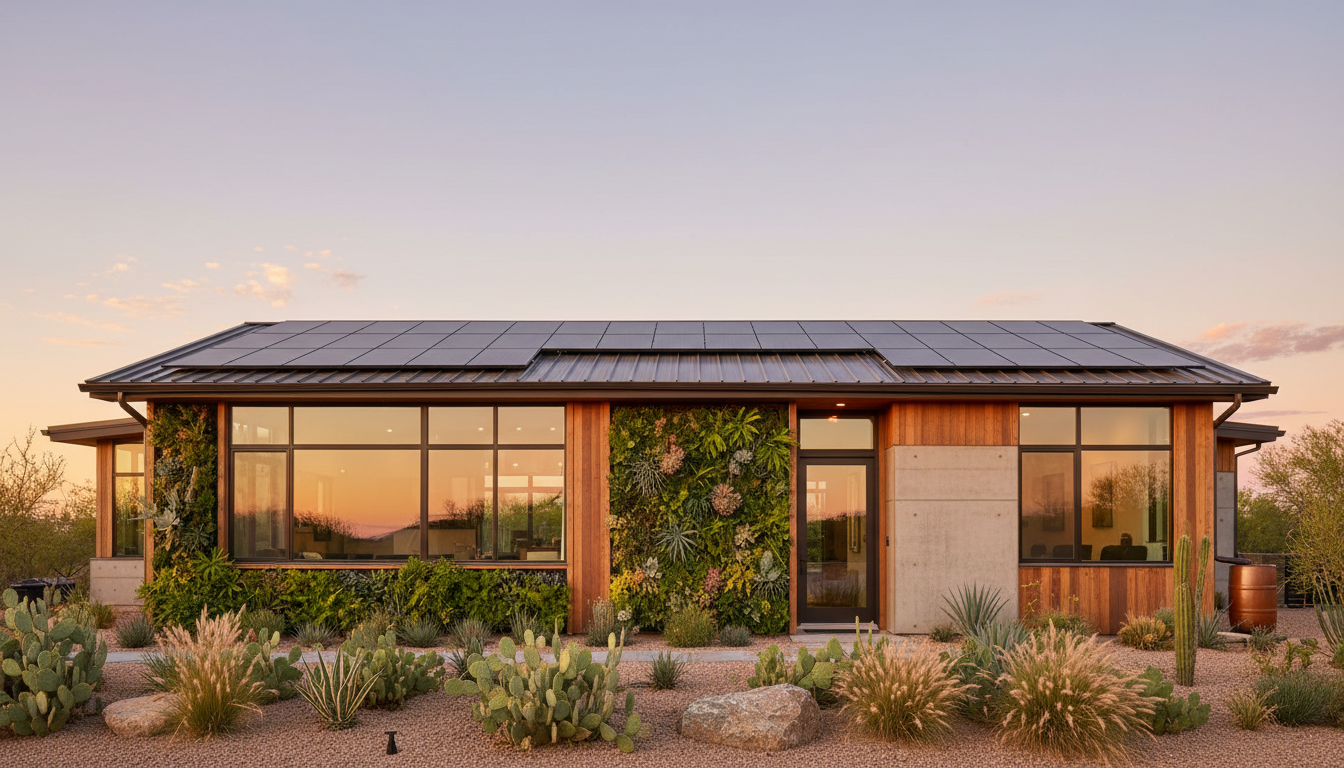
Myth 3: Sustainable Development Is Only About Energy Efficiency
While energy efficiency is a crucial component, sustainable development encompasses much more. It includes water conservation, waste reduction, and the use of eco-friendly materials. Additionally, sustainable projects often focus on improving the health and well-being of occupants through better air quality and natural lighting.
This holistic approach means that sustainable development can lead to healthier living and working environments, contributing to the overall quality of life.
The Benefits of Sustainable Real Estate Development
Beyond debunking myths, it's essential to recognize the tangible benefits of sustainable real estate development. These benefits extend beyond environmental impacts, offering economic and social advantages as well.

Economic Advantages
Sustainable buildings often have higher market values and attract tenants willing to pay a premium for eco-friendly features. This can lead to increased rental income and higher resale values. Additionally, sustainable properties often experience lower vacancy rates, as they appeal to environmentally conscious tenants and buyers.
Social and Community Impact
Sustainable development contributes to building stronger communities by promoting healthier living conditions and reducing the environmental footprint. Developers who focus on sustainability often engage with local communities during the planning and construction phases, fostering a sense of collaboration and shared purpose.
Conclusion: Moving Towards a Sustainable Future
As the demand for sustainable real estate continues to grow, understanding the realities behind the myths becomes increasingly important. By focusing on the long-term benefits and dispelling misconceptions, developers, investors, and consumers can make more informed decisions that contribute to a sustainable future.
Embracing sustainable real estate development is not only an environmentally responsible choice but also a financially and socially beneficial one.